
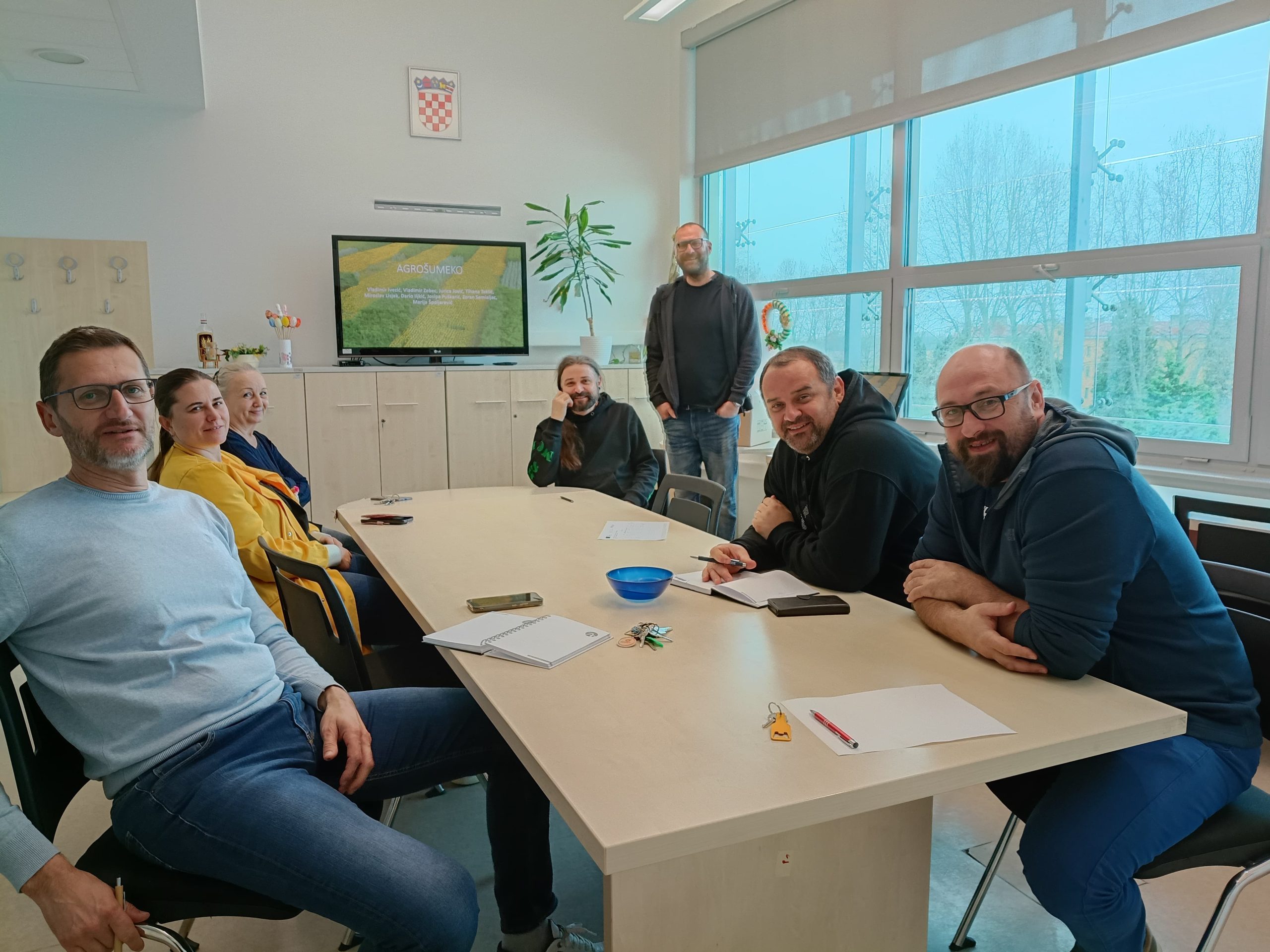
 The task of this working group is to manage all administrative, organizational, and logistical aspects of the project. Activities include: procurement of equipment and consumables, monitoring the implementation of work plans, supervising checkpoints and results, preparing periodic and final reports, risk management, coordination with the administrative and technical services of the Faculty of Agrobiotechnical Sciences Osijek, internal communication, and information sharing within the team.
All team members will participate in the project implementation, while the project coordinator Vladimir Ivezić will have the primary responsibility for overseeing and coordinating project activities across all checkpoints and expected results, as well as ensuring that the program goals regarding the publication of scientific papers are met.
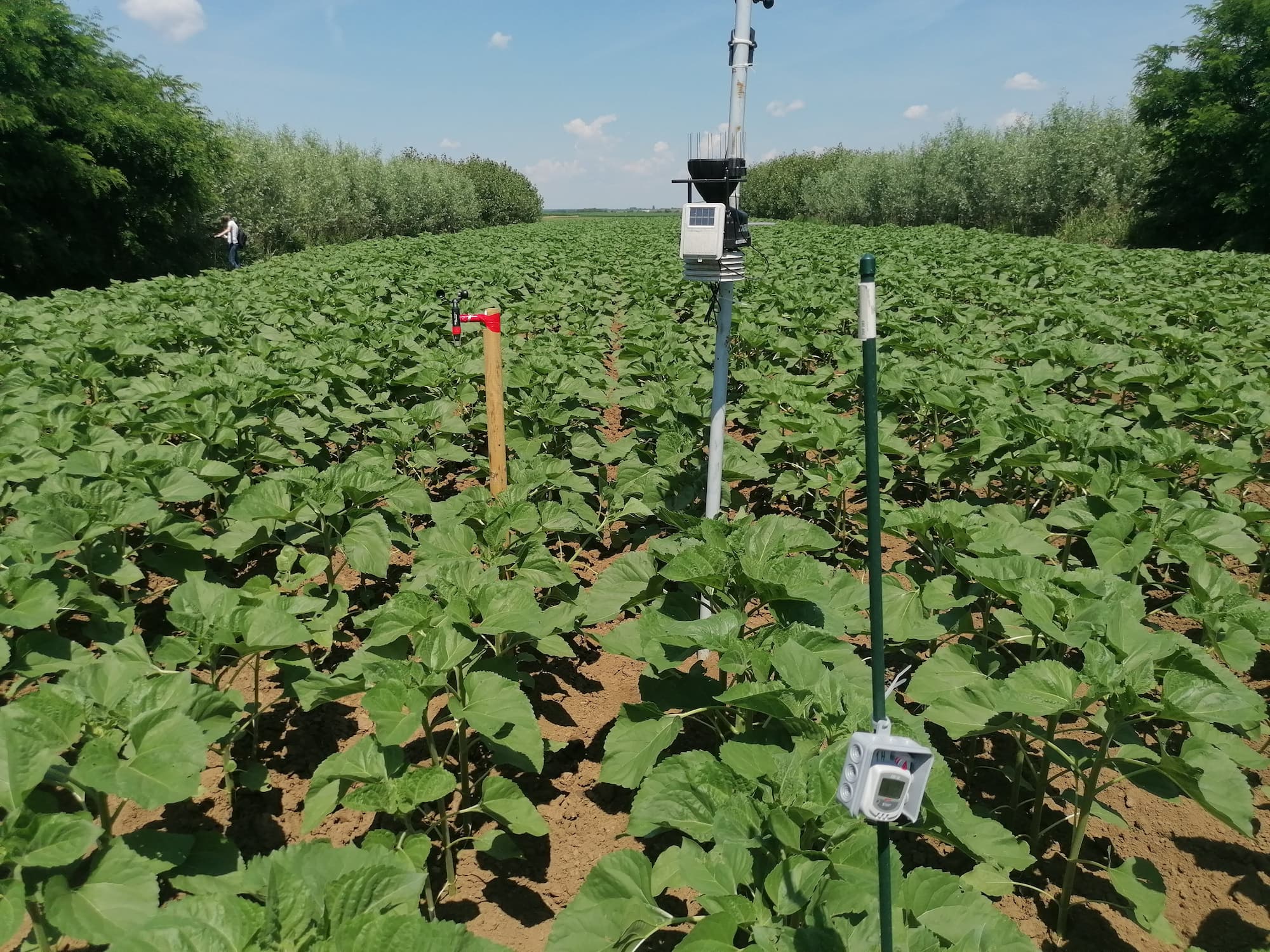 The goal of this working group is the collection and analysis of data on agroclimatic conditions and the agrochemical and physical properties of soil. Data will be collected through field experiments and processed through laboratory analyses. Activities are divided into two subgroups:
Agroclimatology – collection of meteorological data from automatic weather stations and EBRO devices that measure temperature and humidity. The objective is to determine the impact of alley cropping system on microclimatic parameters and consequently on crop yield and quality. Results will be presented through the publication of scientific papers as part of the program objective of increasing scientific excellence. Monitoring of agroclimatic parameters will be carried out by Vladimir Ivezić and Dario Iljkić.
Agrochemical and pedological soil analyses – include soil sampling as well as physical and chemical soil analyses. The objective is to determine the impact of establishing Short rotation coppice (SRC) windbreaks on agricultural land on soil quality. Results will be presented through the publication of scientific papers as part of the program objective of increasing scientific excellence. Monitoring of pedological and agrochemical parameters will be conducted by Vladimir Zebec, Zoran Semialjac, and Vladimir Ivezić.
The work of WP2 will also involve international partners from Serbia and Hungary, with whom meteorological and pedological data will be compared. Students are also planned to be included in field activities for educational purposes and to support research work.
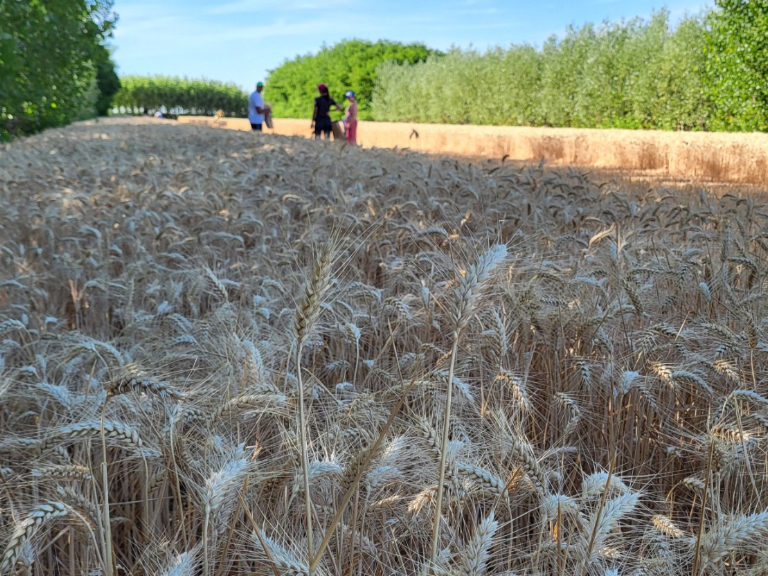 The objective of this working group is the collection and analysis of data on the physiology, ecophysiology, and yield of field crops and woody species, as well as the agronomic properties of field crops. Data will be collected through field experiments and processed through laboratory analyses. Activities are divided into two subgroups:
Collection of biological data on woody species – the aim is to determine the impact of degraded soil and the application of two different mulches (straw and plastic film) on the yield and biological characteristics of woody crops (black locust, willow, and poplar).
The results will be presented through the publication of scientific papers as part of the program objective of increasing scientific excellence. Monitoring of parameters of woody species will be carried out by Tihana Teklić, Miroslav Lisjak, Marija Špoljarević, and Vladimir Ivezić.
Collection of biological and agronomic data on field crops – the aim is to determine the impact of protective windbreaks and degraded soil on the yield and yield components of field crops, as well as the productivity of the photosynthesis process through monitoring laboratory indicators (chloroplast pigment content) and field ecophysiological and biological indicators of the effect of shading from woody species on crop photosynthesis. These include monitoring the CCI index, Leaf Area Index, stomatal conductance, and photosynthetically active radiation (PAR). Based on the monitored parameters, field crops suitable for integrated cultivation will be identified.
The results will be presented through the publication of scientific papers as part of the program objective of increasing scientific excellence. Monitoring of field crop parameters will be carried out by Tihana Teklić, Miroslav Lisjak, Marija Špoljarević, and Dario Iljkić.
International partners will also be involved in the work of WP3, with whom the collected data will be compared. Students are also planned to be included in field activities for educational purposes and to support research work.
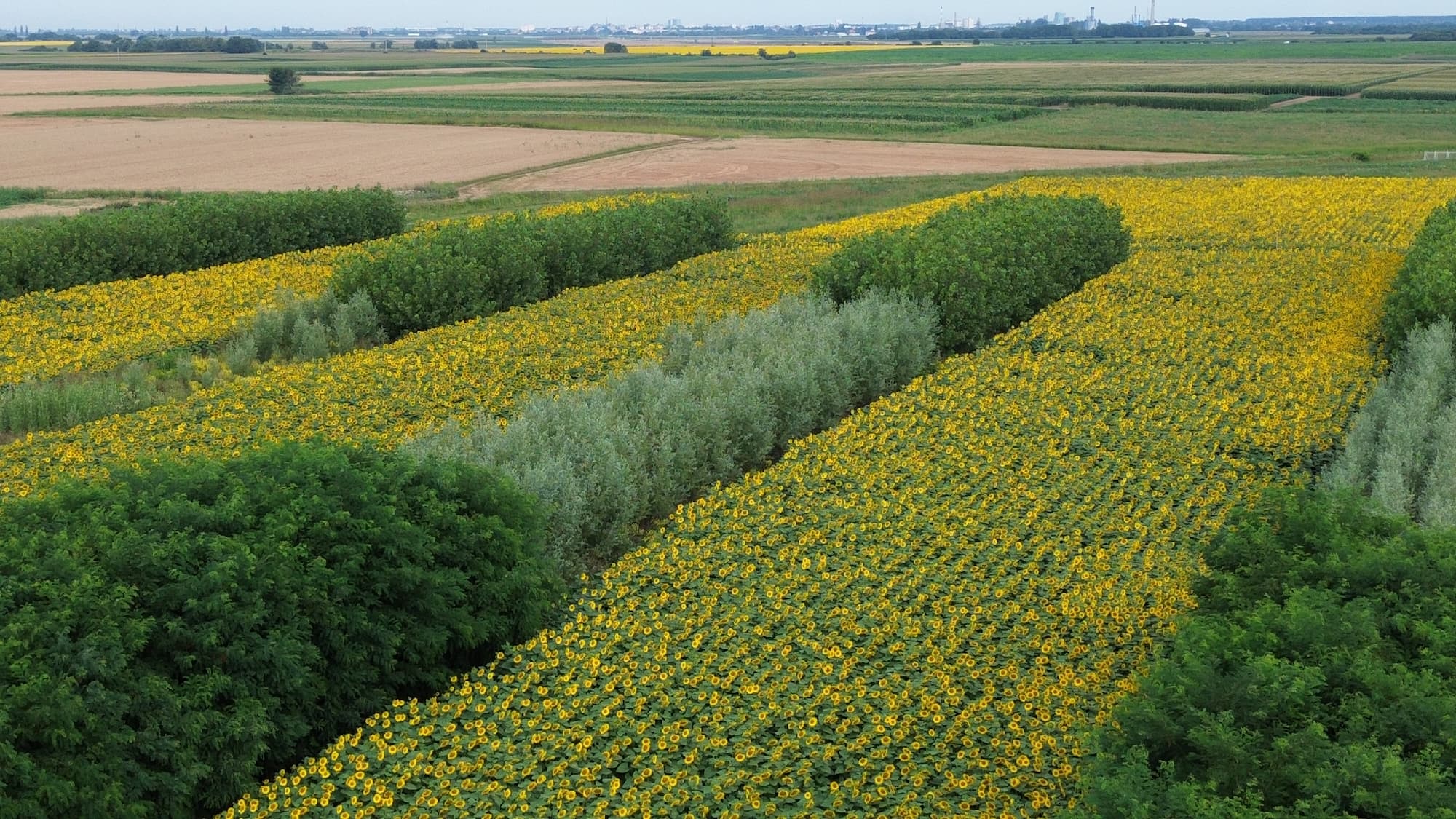 The objective of this working group is soil sampling and the analysis of soil microbiological properties and the presence of nematodes. Data will be obtained from field experiments and subsequently processed and interpreted using laboratory analyses. Activities are divided into two subgroups:
Nematological analyses – The analysis includes: total number of nematodes, number of genera, trophic groups, Maturity Index, Plant Parasitic Index, PPI/MI ratio, Shannon index, Enrichment Index, Structure Index, and Channel Index.
The aim is to determine the impact of alley cropping system on the abundance and distribution of nematodes in soil as indicators of biological diversity. Results will be presented through the publication of scientific papers as part of the program objective of increasing scientific excellence. Monitoring of soil nematodes will be conducted by Josipa Puškarić.
Microbiological analyses – These analyses include determining the abundance of microorganisms in the soil within trees and within field crop production areas. The objective is to determine the impact of alley cropping system on the abundance and distribution of soil microorganisms as indicators of biological diversity. Results will be presented through the publication of scientific papers as part of the program objective of increasing scientific excellence. Monitoring of soil microbiology will be conducted by Jurica Jović.
International partners will also be involved in the work of WP4, with whom the data will be compared. Students are also planned to be included in field activities for educational purposes and support of research work.
 WP5 – Dissemination
The dissemination working group is responsible for communicating project results to:
– the scientific community (scientific publications, conferences),
– the academic community (workshops, collaborations), and
– the general public (project website, media).
All team members will participate in the dissemination of results, within the program objective of increasing scientific excellence, including the publication of scientific papers and presentation of results at conferences.